Is Board and Train Worth It? It Depends on What Happens After Graduation

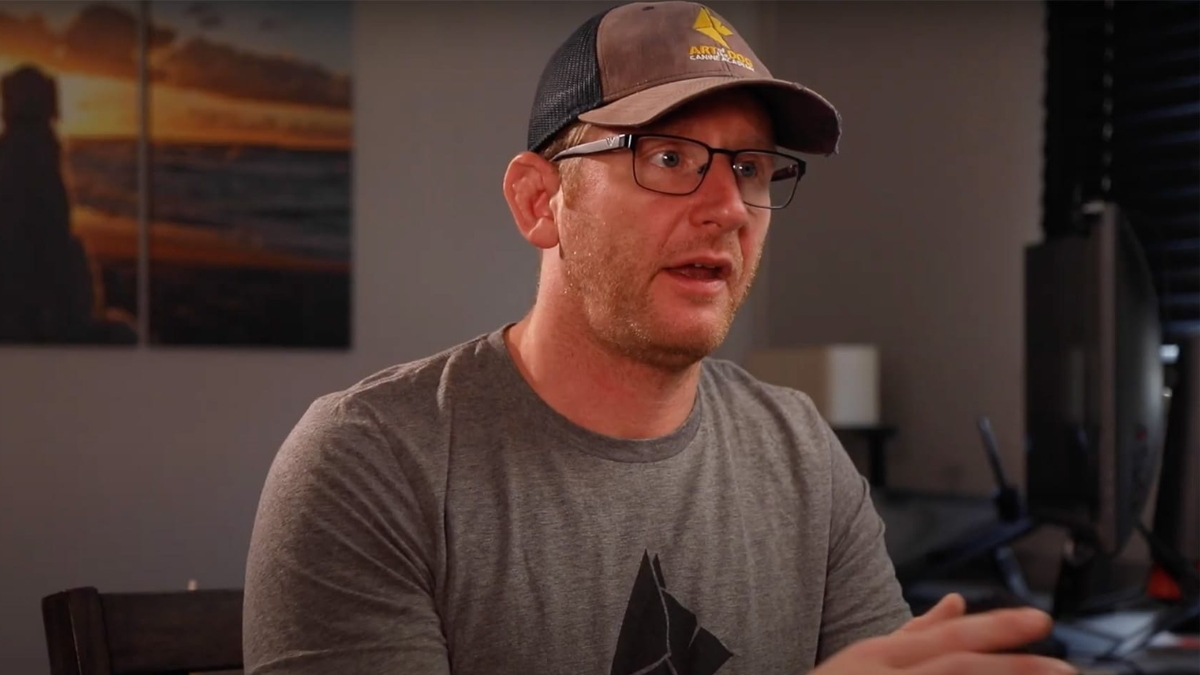
Board and train is worth it when the training keeps working after your dog comes home. Most programs end at graduation with two or three follow-ups, and that’s where dogs slip. At Art of the Dog Canine Academy, graduation starts a year of scheduled check-ins, plus unlimited one-on-one sessions for the rest of your dog’s life, as needed.
I’m Ian Lieberman, co-founder of Art of the Dog Canine Academy. My brother Will and I started AODK9 in 2019, and the support after training was part of the vision from day one.
Let’s name the elephant in the room
A board and train is a serious commitment of money and time. We take that extremely seriously. Our goal is that every single person we work with can say, when this is over, “It was a big commitment, and it was worth every penny.”
A common and understandable worry: your dog comes home, life gets busy, the training fizzles out, and you’re back to square one with a lighter wallet. Our promise to you is that we will not let that happen.
The way we get there isn’t the 21 days. It’s what happens after them. (If you want the 21 days first, here’s how our Denver board and train program works.)
Why most board and train programs feel like a shot clock
The status quo in this industry is: drop your dog off for a few weeks, then get two or three follow-ups. It can feel like there’s a shot clock. Hopefully everything gets figured out in those three weeks and those three calls, because after that you’re on your own.
That model is reactive: “Fido graduated, call us if you have any problems.” But people don’t call. They’re busy, or they feel guilty, like it’s their fault, and the problem sits there and grows.
Our training isn’t what makes us special
I know that sounds funny coming from a dog trainer. Our team is incredible, but we’re not reinventing the wheel. We watch who the best dog trainers in the world are, copy what they do, and work to be as good as they are.
What makes us different is understanding that you are absolutely going to need our support once the training is over.
Your dog comes home trained. You don’t, yet.
Let me save you the suspense: your dog may well come home and still have things to work through. A more accurate way to say it is that your dog comes home professionally trained and understands everything. The problem is that you don’t understand that same system of communication yet.
So we treat setting you up for success as our responsibility, and it starts while your dog is still with us:
- During the 21 days, your dog trains three to five sessions a day, 65 to 100 sessions in all, with one trainer working four dogs at a time. The industry standard is closer to one trainer for ten. The second half of the program proofs everything in the real world, including trips to Wash Park, one of the most distracting places in Denver.
- While your dog is at school, you’re learning too. You get a 12-video course that explains everything your dog is learning.
- Graduation is about an hour and a half to two hours at a park. We show you the new system of communication your dog understands, then hand you the leash and the e-collar and show you how to use it.
- The homework packet is waiting in your inbox, with embedded videos and a progress tracker. It’s granular on purpose: it tells you how many reps of the down to do in the first week. Put it on your refrigerator. If you do a quarter of it, you’re going to crush it.
Graduation is not the plane landing
A lot of dog trainers view graduation day as the plane landing. Wheels touch down, mission accomplished, high fives all around.
I fly when I have to, but my fear is the landing. That’s when my palms get sweaty, and it can be the most turbulent part of the flight.
Graduation is when the runway comes into view. The pilot is on the intercom telling everyone to buckle their seat belts. For us, the plane has landed when your dog is home a week out, two weeks out, six months out, maybe a year out, and you’re happy and your dog is behaving.
What a year of follow-up looks like
Our support team is dedicated to one thing: making sure dogs keep behaving well once they go home. In an industry where the norm is reactive, we’re proactive. We take the burden of reaching out off you and put it on ourselves.
We reach out to dig for problems at:
- The day after graduation
- Three days after
- One week after
- Two weeks after
- One month after
- Two months after
- Four months after
- Six months after
- Eight months after
- One year after
There’s usually going to be something. It’s usually small, because your dog understands everything, but life throws circumstantial problems at you. Say you get up to go to the kitchen, and your dog breaks their place command to follow you. We’ll call you, walk you through what to do, and send a video made for that exact problem. We have an expansive digital library, because a lot of people are busy and just want the answer quickly.
Unlimited one-on-ones for the rest of your dog’s life
If the problem persists, we schedule a one-on-one. And this is the big thing: we don’t do three one-on-ones, or four. We do unlimited one-on-one training for the rest of your dog’s life, as needed. That’s our lifetime support.
We’re not the kind of company that says “we did our job, now you do yours.” We’re results-driven, and I don’t ever want anyone to feel like they’re on an island. Our clients don’t love us for the training alone. They love us for the care we give once it’s over.
The one thing we ask: communicate with us. If we’re reaching out and something is wrong, please tell us, so we have the chance to help. We will.
What we can’t promise, and why that matters
When we say a lifetime of support, what we’re not promising is that your dog will behave exactly one way forever. We can’t promise that, and I think it’s worth being slightly skeptical of anybody who does. That’s not us shirking responsibility. We’re very confident in our results.
We like to call ourselves the Ivy League of dog training, but not every student graduates at the top of their class. Dogs aren’t robots. We want every dog to graduate, and we hold every dog to the same meticulous standard. How well your dog behaves at home will depend on how willing you are to reinforce the training and use the system of communication we put in place.
The training also looks different from dog to dog. I have a Golden Retriever named Clementine and a German Shepherd named Ulf. Both are trained on e-collars, but I use the collar very differently with each. Clementine is a happy-to-be-good dog. With Ulf, I have to correct higher and more often. Your dog will listen to the extent you hold them accountable. Stop doing that, and you’ll see the old behavior start to come back.
Breed matters too. An aggressive Golden Retriever is possible, just much less likely than a reactive German Shepherd, and we love German Shepherds and Malinois. Many breeds were bred for a job, and we’ve brought them into our homes. Our job is to help you live the best possible life with your dog, and that often looks different from dog to dog. If aggression is part of your story, my guide on choosing a dog trainer for aggressive dogs is worth reading, and so is our reactive dog training guide if your dog lunges or barks on leash.
So, is board and train worth it?
It’s worth it when three things are true:
- Your dog gets enough real training. Count sessions and ask about the trainer-to-dog ratio. Ours is 65 to 100 sessions over 21 days, at one trainer to four dogs.
- The training is proofed where you actually live. Structured walks around dogs and people, and park trips around Denver, not just a quiet facility.
- Support doesn’t stop at graduation. Ask how many follow-ups you get and who initiates them. If the answer is “two or three, and call us if you need anything,” that’s the shot clock.
This is a campaign, and we’re in it for the long haul with you. That’s why it’s a lifetime commitment. If you’re in the Denver or Longmont area, see what dog training in Denver looks like with us, or watch the full consultation video series, including the chapter this article comes from.
FAQ
Is board and train worth it for a reactive or aggressive dog?
It can be, as long as the program is honest that behavior like aggression is managed, not fixed. Your dog comes home with a clear system of communication, and you learn to use it. Ongoing support matters most for these dogs, because the owner’s follow-through keeps the behavior in check.
What happens after a board and train program ends?
At Art of the Dog Canine Academy, you get a graduation class at a park, a homework packet with videos and a progress tracker, 10 scheduled check-ins over the first year, and unlimited one-on-one sessions for the rest of your dog’s life, as needed.
Will my dog forget the training after board and train?
Dogs don’t forget the training, but they do go back to old habits when they aren’t held accountable. That’s why the handover and the follow-up matter as much as the 21 days. Do even a quarter of the homework and you’ll see a big difference.
Why do some board and train programs fail?
Usually because support ends at graduation. The dog understands the system; the owner doesn’t yet. Two or three reactive follow-ups rarely catch problems early, so small slips grow into old behavior.
Will my dog behave perfectly after training?
No, and be wary of anyone who says so. Every dog is an individual with its own genetics and history. What we promise is the support: we’ll be there for as long as your dog needs us.
Ready to talk about your dog? Start a Conversation
Ready to talk about your dog?
Serving Denver & Longmont, Colorado · In operation since 2019