If your dog is reactive, you already know what the advice usually is.

“Once Auggie came back home after 3 weeks, he was a totally different dog.”
Bo · Auggie
Reactive dog training is the process of teaching a dog to respond calmly to the stimuli that currently trigger reactive behavior: lunging, barking, growling, or fixating on other dogs, strangers, or specific environmental triggers. Effective reactive dog training requires consistent repetition, controlled exposure, and in most cases, a level of structured intervention that weekly sessions cannot deliver. For dogs with moderate to severe reactivity, live-in board & train programs produce lasting results that at-home training typically cannot.


A specialist’s guide for dog owners who’ve tried redirection, counter-conditioning, and private trainers, and are still dealing with the same problem.

If your dog is reactive, you already know what the advice usually is.
Counter-condition them. Redirect their attention before they go over threshold. Increase distance from the trigger. Be consistent.
And you’ve probably tried it. Maybe for months. Maybe longer.
For mild reactivity in a young dog, with a patient owner and a manageable environment, that approach works. For most of the dogs I see, dogs with moderate to severe reactivity that has been there for years in daily environments with real stimulus, it doesn’t produce the change the owner needs.
This guide is for that second group.
I’m going to explain what reactive dog training actually requires to be effective, why the standard approach stalls for hard cases, and what specialist-level intervention looks like. I’ll also tell you honestly when a general approach is the right starting point and when it isn’t.
Reactivity is a behavioral pattern, not a personality trait. A reactive dog, one that lunges, barks, or loses control at the sight of another dog, a stranger, or specific environmental triggers, is responding to a perceived threat or overwhelming stimulus with the only tool they have: escalation.
The dog isn’t being difficult. They’re overwhelmed.
That distinction matters for understanding the problem, but it doesn’t change the functional reality: the behavior is exhausting, unpredictable, and life-limiting. You can’t take the dog on the trails you want to hike. You can’t walk through your own neighborhood without tracking every corner. Guests, other dogs, and outdoor spaces become obstacles to manage instead of things to enjoy.
Reactivity isn’t a single thing. It shows up in distinct patterns, and the training approach for each is different.
Calm off-leash, explosive on leash. The restraint amplifies the response — the dog can’t move away from the trigger, so they escalate. This is the most common pattern and the one most owners recognize first.
Calm with people, reactive toward other dogs specifically. Sometimes rooted in frustration (wants to greet but can’t), sometimes in fear (has had a bad experience with another dog), sometimes in predatory rehearsal. The presentation looks similar; the underlying driver is different.
The dog is scared, not predatory. The lunge and bark is a “go away” communication, not an attack attempt. These dogs are often described as “sweet at home” but explosive outside — the environment, not the dog’s nature, is the trigger.
A dog whose baseline anxiety is elevated to the point where almost any stimulus becomes “too much.” Everything triggers a response because the dog’s nervous system is already running hot. Treats don’t work well for these dogs in high-stimulus environments because they’re too aroused to eat.
Knowing which pattern you’re dealing with changes what effective training looks like. Applying the same counter-conditioning protocol to a fear-reactive dog and an anxiety-reactive dog produces inconsistent results, not because the approach is wrong in principle, but because the underlying driver is different.

The conventional protocol for reactive dog training, counter-conditioning and desensitization, is legitimate. Under specific conditions, it works.
Those conditions are:
When all of those are in place, a skilled trainer working with a motivated owner can make real progress over months.
When any of those conditions breaks down, which is most of the time, for most of the dogs I see, the protocol stalls. Not because the technique is wrong. Because the structure around the technique isn’t strong enough.
The owner is the weakest link in the training chain. Not through any fault of their own. They’re not professional trainers. But consistent implementation between weekly sessions is genuinely hard. One missed correction, one moment where the dog goes over threshold because the owner wasn’t positioned right, one walk that went wrong, and the counter-conditioning work doesn’t just pause. It often resets. Progress is fragile.
Weekly sessions don’t produce enough repetition. Behavioral change requires hundreds of reps in varied contexts. Forty-five minutes a week, even done well, is not enough for a dog with an entrenched reactive history.
The real environment can’t be controlled. In a training session, the trainer can manage distance, timing, and stimulus intensity. On your Tuesday morning walk, you cannot. The trigger appears at 15 feet, not 50. The dog goes over threshold. The reactive response rehearses again.
Threshold management isn’t behavioral change. Keeping the dog consistently below threshold, avoiding the situations that trigger it, doesn’t modify the underlying behavior. It manages it. The dog is still reactive. You’ve learned to route around it.
This is not a failure of dedication or intelligence on the owner’s part. It’s a structural problem. The solution isn’t trying harder with the same approach. It’s changing the structure.

When counter-conditioning and weekly sessions haven’t produced lasting change, the variable that needs to change isn’t the technique. It’s the structure the technique operates within.
Immersive training removes the variables that prevent conventional approaches from holding:
By the end of a 21-day program, the behavioral change isn’t performance. It’s habit. The dog has been in a consistent training environment long enough that the new responses have actually formed, not just been demonstrated.
The owner is trained too. Daily videos throughout the program, a hands-on owner session at pickup, and lifetime support, with unlimited one-on-one follow-ups if the behavior drifts after the dog comes home, complete the picture.
Most board & train programs run 2 weeks. We run 21 days specifically.
The first week, the dog is adjusting to a new environment, building trust with the training team, and establishing foundational habits. The second week, the actual behavioral work happens: new patterns form, old ones are interrupted. The third week, those patterns set.
Pulling the program at 14 days means cutting the third week, the week where the change goes from “performing on cue” to “this is who the dog is.” That distinction matters for how durable the results are when the dog goes home.
“I feel like the relationship has only gotten better since boarding him. It didn’t diminish at all.” — Tu
Goose was reactive toward other dogs. For his owner, Tu, the reactivity shaped every walk: the constant scanning, the bracing for what was around the next corner.
“I didn’t want to have to stress out about if we’re going to turn the corner and run into a dog.” — Tu
Like most owners weighing a live-in program, Tu’s first worry wasn’t the training. It was the separation: he was afraid that sending Goose away would damage the relationship. The opposite happened, and what changed at home wasn’t just Goose’s behavior on walks. It was the temperature of the whole household:
“It’s a lot calmer in the household for sure. There’s a lot less frustration on my end.” — Tu
And the thing Tu actually wanted, the reason he started looking in the first place, became possible:
“I just wanted to bring him everywhere with us, kind of like an adventure dog.” — Tu
That’s what specialist-level reactive training is for: not a dog that merely tolerates the trigger, but a life that stops being organized around avoiding it.
More graduates, in their own words. Tap any card to watch the full story.
“Once Auggie came back home after 3 weeks, he was a totally different dog.”
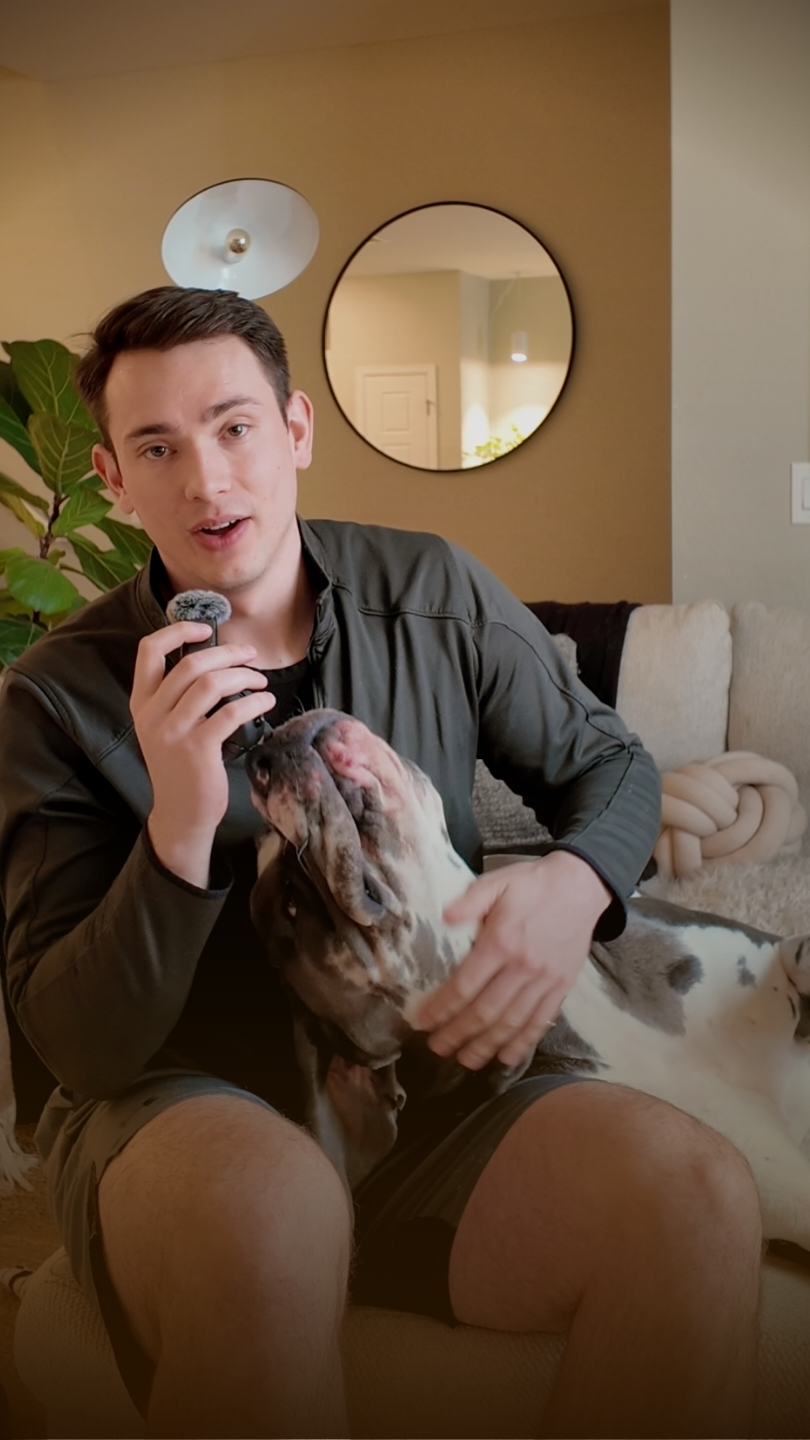
“The program was worth every dollar that we invested into it.”
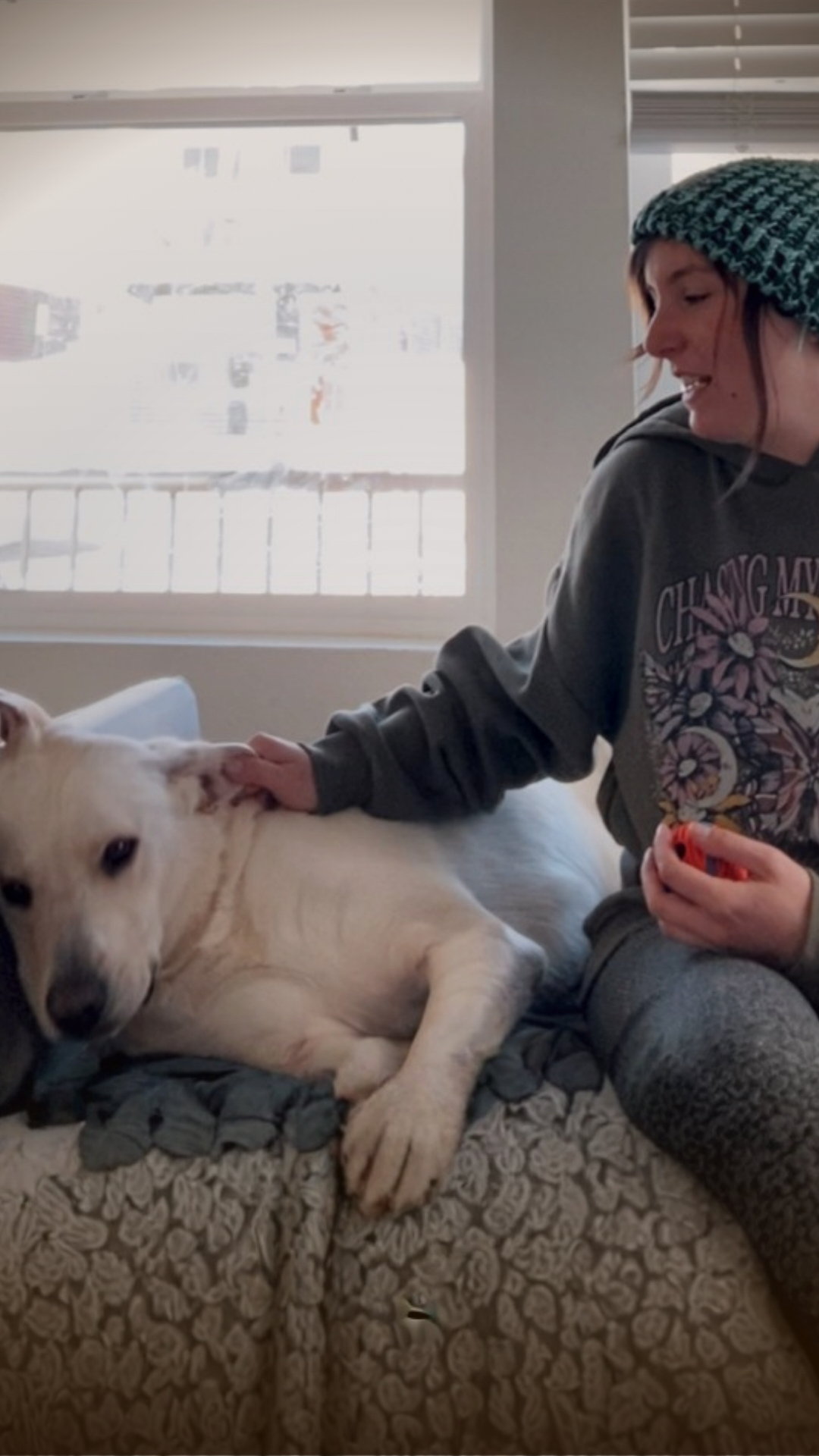
“He is off of his anxiety medication as well. It’s cool to see him just be a normal dog at home.”
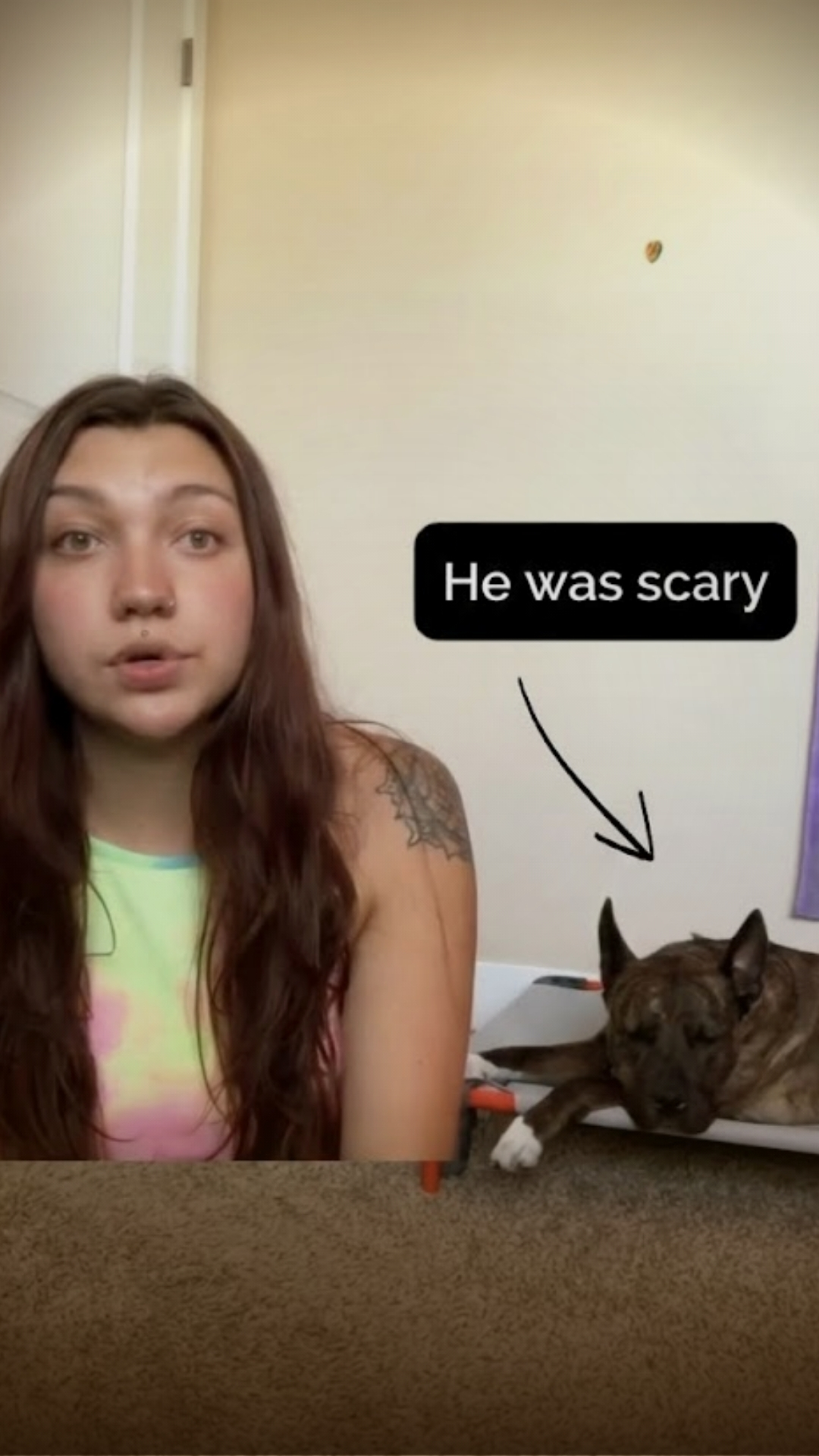
“Taking him through this course and him graduating has completely improved our quality of lives.”
If your dog is reactive and you’re in Denver or the Longmont area, Art of the Dog Canine Academy is the specialist program in Colorado.
→ Reactive Dog Training in Denver: local program information and how to get started
Serving Denver & Longmont, Colorado · In operation since 2019