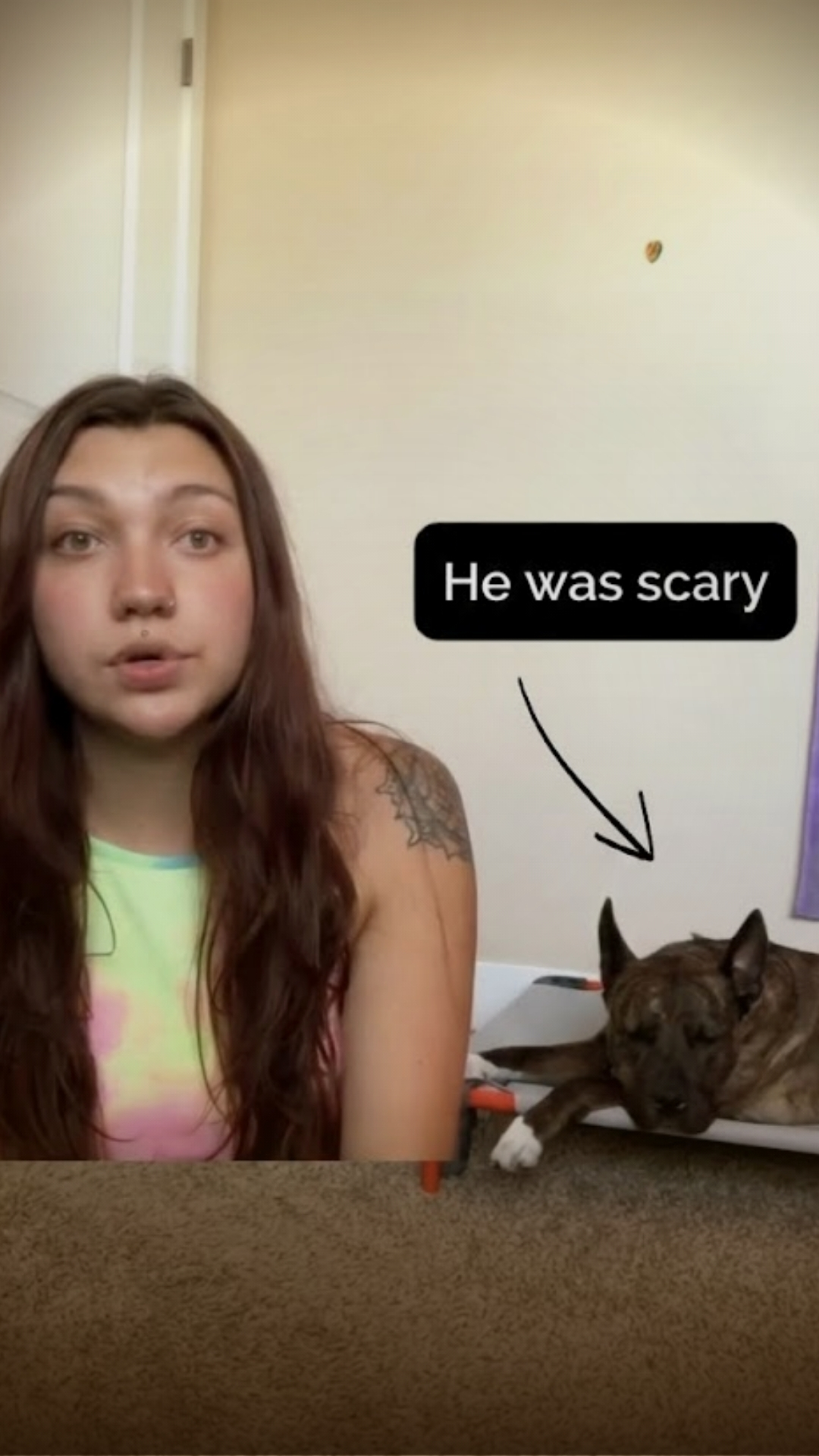
If your walks have turned into constant scanning — bracing for what’s around the next corner, crossing the street before the other dog gets close — you already know the daily cost of a reactive dog. In Denver, the density makes it worse. Apartment hallways, tight sidewalks, packed trailheads, and more dogs per square mile than almost anywhere in the country mean the triggers come faster, closer, and with nowhere to retreat to.
That’s why “just add distance” stops working here. On a Capitol Hill block or a busy stretch of the Highline Canal, there often isn’t any distance to add. The dog goes over threshold, the reactive response rehearses one more time, and you go home more discouraged than when you left.
This page is about the local program — how reactive training works at Art of the Dog and how to get started. If you want the full background on why standard reactive training stalls and what specialist-level work involves, start with our complete guide to reactive dog training.